Stellenbosch · Western Cape
Helderberg Wijnmakerij
Helderberg Wijnmakerij is a wine farm in Stellenbosch, Western Cape. About 37 km from Cape Town.
Stellenbosch · Western Cape
Helderberg Wijnmakerij is a wine farm in Stellenbosch, Western Cape. About 37 km from Cape Town.
Helderberg Wijnmakerij—also known in English as Helderberg Winery—takes its name from the Helderberg, the “Clear” or “Bright” mountain that rises above False Bay. For centuries farmers planted vines around this mountain, finding that soils and cool ocean influence suit premium grapes—especially the reds that made the Helderberg famous as a South African fine-wine address.
In 1906 the Helderberg Winery was established and harvested its first grapes in a new cellar on the Helderberg slopes. Over the following decades the winery grew on a reputation for excellent red wines, notably Cabernet Sauvignon. Industry histories credit the co-operative with helping establish the Helderberg’s standing as one of South Africa’s heartlands of fine red wine. Varieties long associated with the facility include Cabernet Sauvignon, Merlot, Shiraz and Sauvignon Blanc. Growers in the surrounding hills depended on this cellar as a collective engine for Stellenbosch red production long before boutique estate branding dominated Wine Route maps.
The physical address remains tied to Winery Road, Stellenbosch—the road whose very name signals how central this cellar once was to local grape growers. Approximate GPS from farm directories: 34°1'45.28"S 18°48'19.33"E. Standing on Winery Road today, visitors still sense why the Helderberg became shorthand for serious Cape Cabernet country.
The modern chapter is corporate rather than romantic cellar-door tourism. Around 2009–2010, Boekenhoutskloof—the Franschhoek-based group behind brands such as The Chocolate Block, Porcupine Ridge and The Wolftrap—acquired the historic Helderberg Winery. Managing partner Marc Kent and team described the purchase as access to excellent Helderberg red-wine terroir and a major logistics / production hub—effectively slipping a progressive Franschhoek producer into the heart of Stellenbosch’s establishment wine geography.
Boekenhoutskloof’s own business pages state that the Helderberg facility houses The Chocolate Block barrel maturation cellar, modernised with a large OXOline barrel-stacking system. Decanter and other trade reporting describe the site as responsible for production of Chocolate Block and entry-level ranges such as Porcupine Ridge and The Wolftrap—making Winery Road a quiet engine room of some of the Cape’s most widely drunk wines. Capacity figures discussed in trade coverage put the historic site in the multi-million-litre class before further modernisation.
After the acquisition, bottles appeared under revived Helderberg Wijnmakerij / Helderberg Winery labelling. That consumer project did not meet Boekenhoutskloof’s larger ambitions and was largely discontinued, according to Cape wine commentary (Tim James and others). A later Helderberg Winery Reserve Stellenbosch Cabernet-based wine briefly reappeared as a value-minded, Bordeaux-referencing label (“Estd 1906” on the packaging)—a nod to the co-op’s founding year rather than a full return of a public tasting-room brand. Availability changes; do not assume a walk-in Helderberg Wijnmakerij visitor centre exists in the classic Stellenbosch Wine Route sense.
The standalone website helderbergwijnmakerij.com has long been a thin contact shell rather than an active booking site. Directory listings historically showed weekday hours (about 09:00–17:00), phone +27 21 842 2371, fax +27 21 842 2373, and info@helderbergwijnmakerij.com—but treat these as historical / facility contacts, not a guarantee of public wine tasting. Wined’s farm page summarises the heritage story: wined.co.za/farms/helderberg-wijnmakerij. Older directory cards also listed winemaker names from earlier eras; staffing under Boekenhoutskloof follows the group’s broader technical team rather than a standalone co-op cellar master branding.
For a public Boekenhoutskloof experience, visitors usually look to Boekenhoutskloof’s Franschhoek tasting room and retail channels for Chocolate Block and related brands—not to a full Helderberg Wijnmakerij hospitality campus on Winery Road. Always phone ahead or check Boekenhoutskloof’s current visitor guidance before planning a stop solely for this historic name. Neighbouring open estates on Winery Road and Annandale Road supply the classic Helderberg tasting-and-lunch loop.
Even without a flashy cellar door, Helderberg Wijnmakerij matters for context:
Use this entry as heritage orientation when touring Helderberg / Winery Road: understand the co-op that helped build the region’s Cabernet reputation, then taste at neighbouring open estates and through Boekenhoutskloof’s current public channels.
Do not assume a full public tasting room. The site functions primarily as a Boekenhoutskloof production facility; confirm any visitor access before travelling.
Boekenhoutskloof acquired the historic Helderberg Winery around 2009 and uses it for major brand production and maturation.
Founded in 1906, the co-op helped build the Helderberg’s reputation for fine red wines, especially Cabernet Sauvignon.
The winery is named for the Helderberg mountain / region; it is a specific historic cellar on Winery Road, not a synonym for every Helderberg farm.
Helderberg Wijnmakerij is at Winery Rd, Somerset West, Raithby, 7599, South Africa, in Stellenbosch. Most visitors drive there from Cape Town in 45–60 minutes.
Closed Sunday. Hours change, so call 021 842 2371 before you drive.
Geographical unit: Western Cape → Coastal Region → Stellenbosch
Stellenbosch is the flagship Wine of Origin district of the Cape: granite mountains, university town, and the densest cluster of visitor-ready wine farms in the country.
Elevation and soil figures are modelled at the pin, not a vineyard block survey. Use them to compare farms, not to quote a technical sheet.

Stellenbosch
Stellenbosch
KidsWheelchair access Tasting
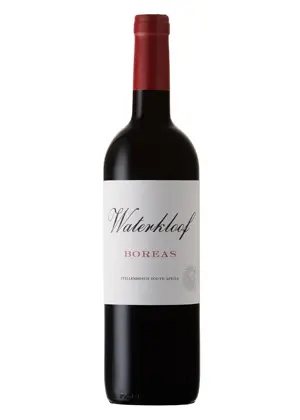
Stellenbosch
Just 4.5 kilometres from the Atlantic on the cool coastal edge of the Stellenbosch wine region, Waterkloof Wine Estate climbs a ravine—Afrikaans kloof—past fynbos and spring water into a hidden amphitheatre of…
Views Tasting Restaurant
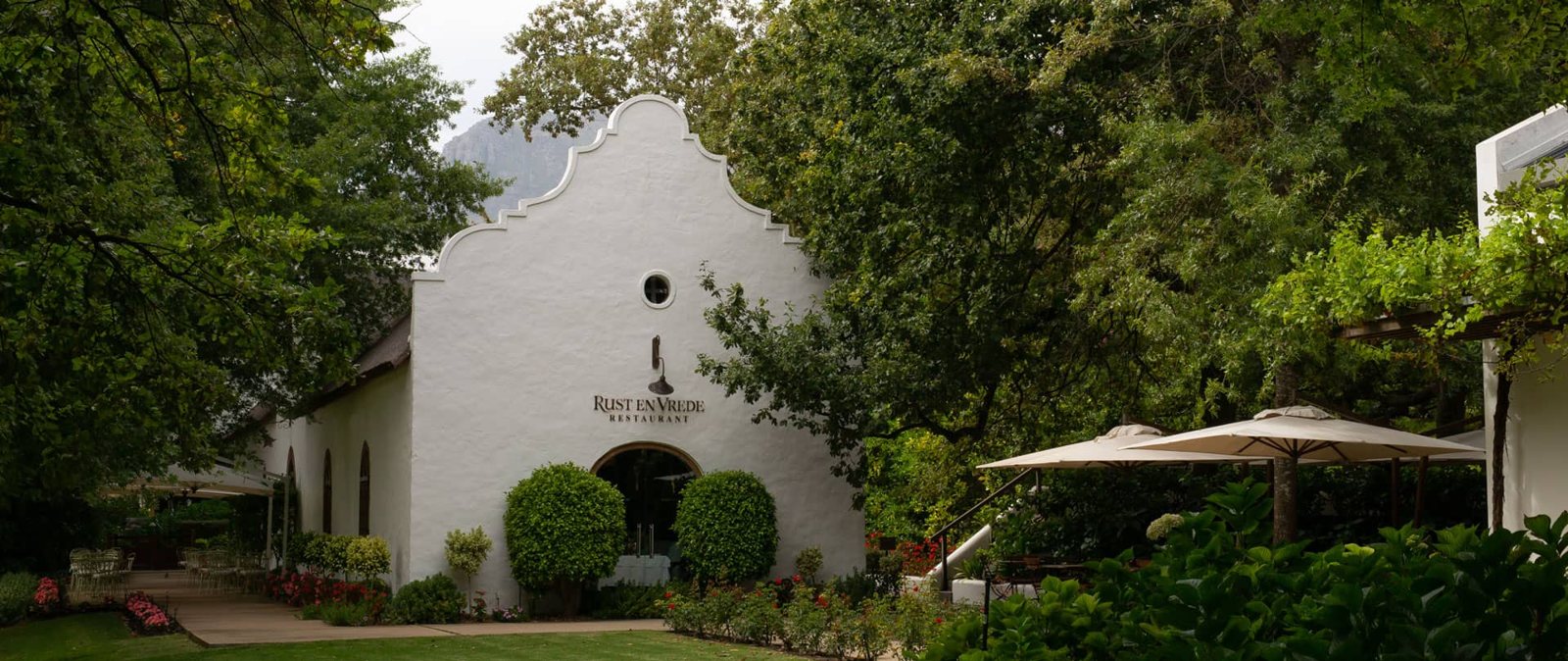
Stellenbosch
KidsBudgetWheelchair access Tasting Restaurant
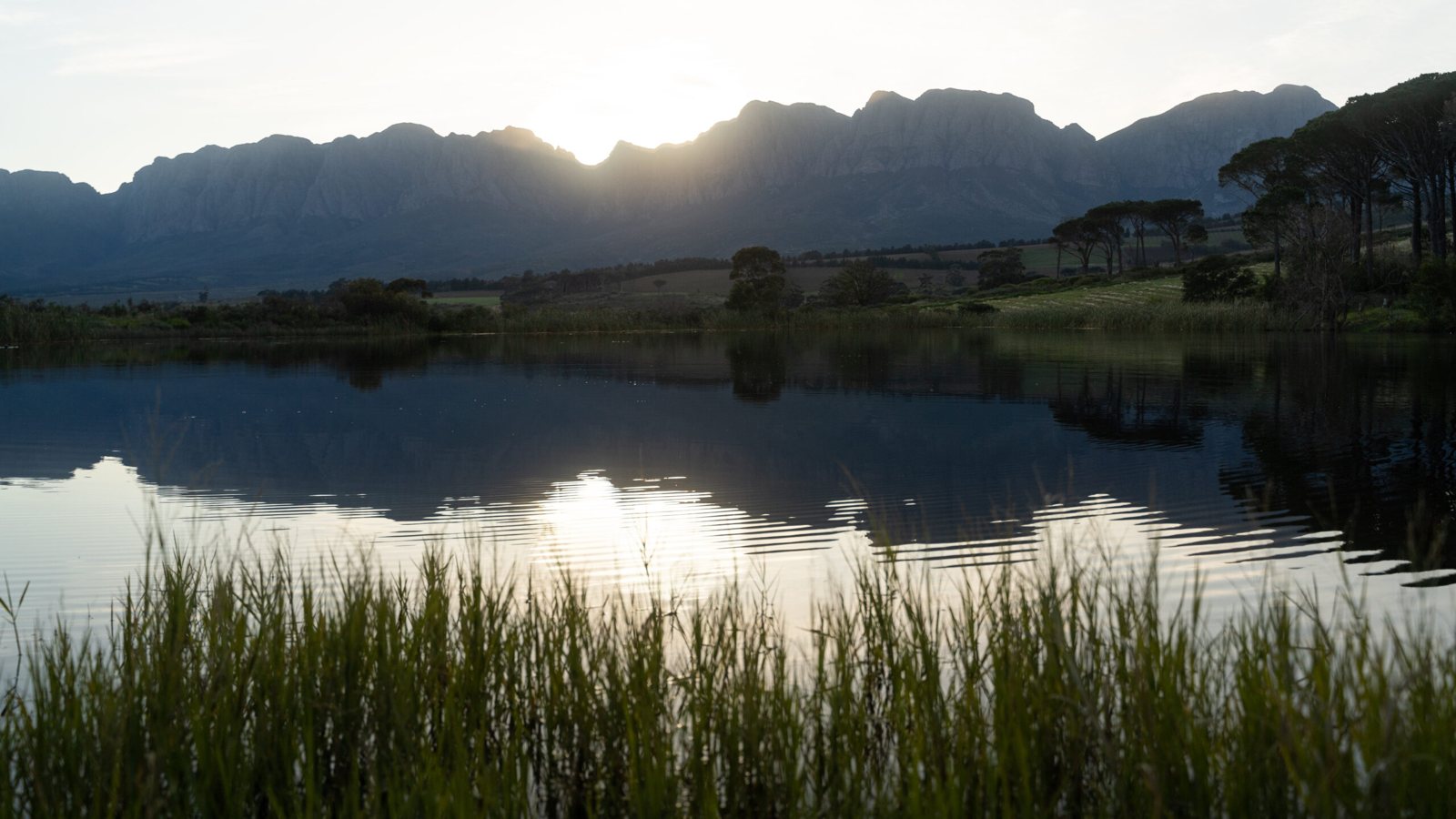
Stellenbosch
KidsViewsWheelchair access Tasting Restaurant
Stellenbosch
Tasting

Stellenbosch
Stellenbosch
KidsViewsWheelchair access Tasting Restaurant Stay
Stellenbosch
KidsRomanticWheelchair access Tasting Restaurant Stay
Stellenbosch
Stellenbosch
Stellenbosch
Kunjani Wines (also styled Kunjani Villas & Wines) is a boutique Stellenbosch wine estate in the Bottelary Hills near Devonvale, founded by Paul Barth and Pia Watermeyer.
Romantic Tasting Stay
Stellenbosch
Stellenbosch