Paarl · Western Cape
Welgemeend Wine Farm
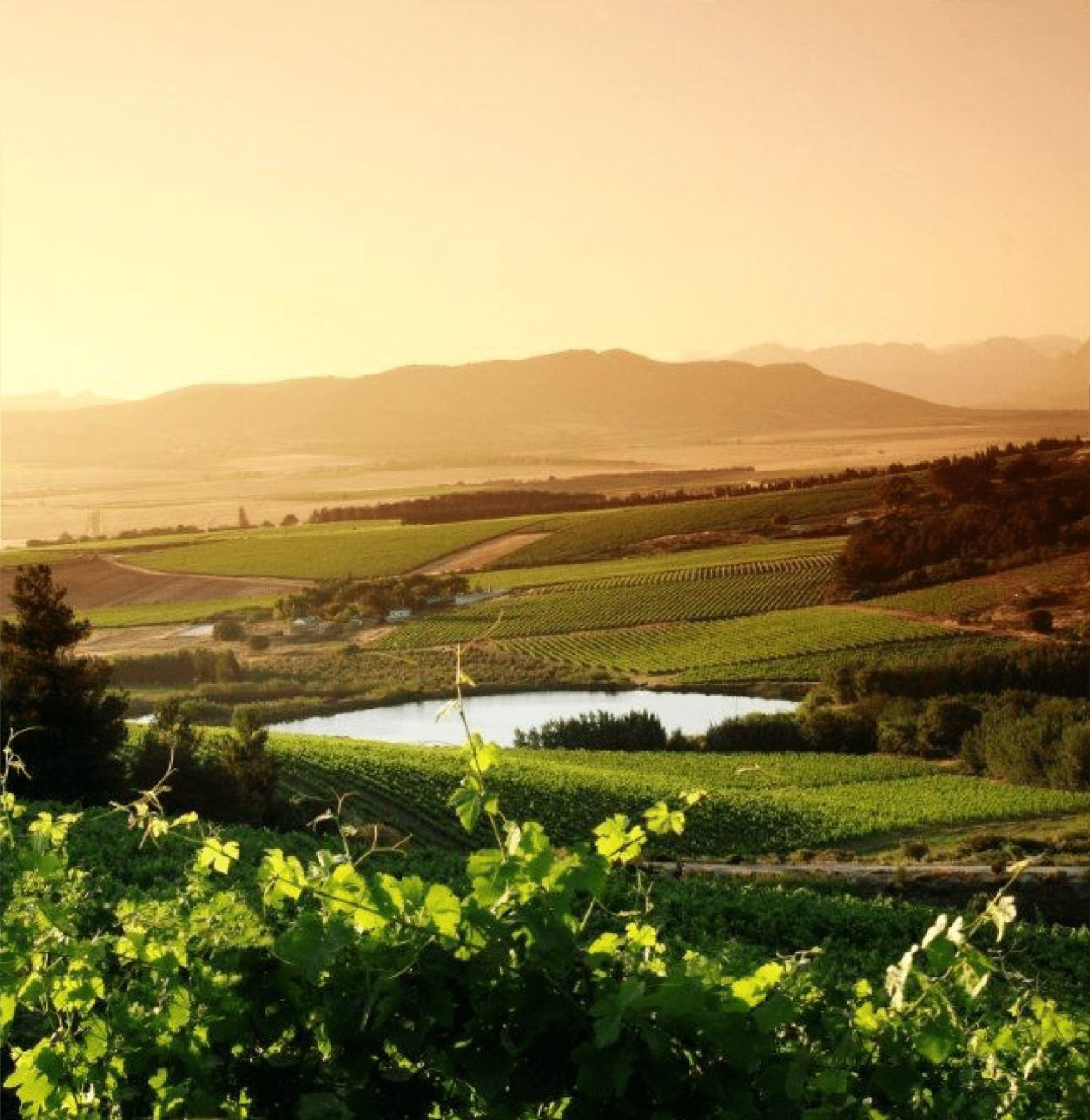
Welgemeend Wine Farm is a wine farm in Paarl, Western Cape. About 45 km from Cape Town.
Paarl · Western Cape
Welgemeend Wine Farm is a wine farm in Paarl, Western Cape. About 45 km from Cape Town.
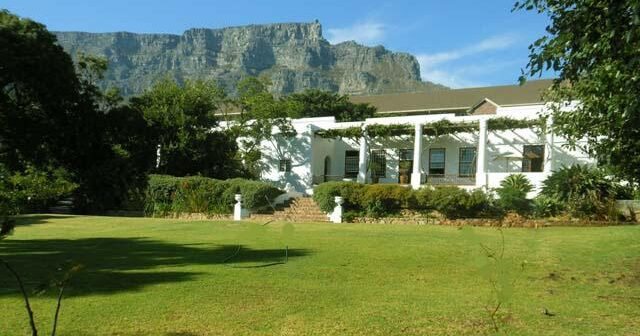
Welgemeend Estate on the Old Paarl Road (R101) near Klapmuts occupies a singular place in modern Cape wine history. In 1979, under Billy Hofmeyr, the farm released South Africa’s first commercially sold Bordeaux-style blend—the Welgemeend Estate Wine—alongside Amadé, an early serious Cape blend that deliberately used Pinotage with Shiraz and Grenache. For wine travellers researching Paarl’s classic reds, the name still appears on tourism directories. What this portal must state clearly in 2026 is that a public, walk-in Welgemeend Paarl tasting package is not verified, and estate wine production on the farm is widely reported as ended.
Billy and Ursula Hofmeyr bought the small farm (then Montevideo) near Klapmuts in 1974. Louise Hofmeyr later recalled that her father sought a modest mortgage and loved the view; early income was tiny (a 1974 co-op deposit slip for under R440 survives in family anecdote). The property was renamed Welgemeend after a Hofmeyr-linked vineyard that had been the last working vineyard inside Cape Town’s boundaries—an affectionate name that later causes confusion with a separate Cape Town functions venue.
Billy built a frugal cellar—documented costs around R10 300 by late 1978—and, with friend Jan Boland Coetzee assisting on harvest day, made the first wines from young vines after replacing early Chenin, Hanepoot and Cinsaut plantings with Bordeaux and related red cultivars. Industry context mattered: KWV quotas still constrained who could bottle and sell; Welgemeend already had a quota because grapes had been delivered from the farm before the Hofmeyrs fully rebuilt the vineyard.
The 1979 Estate Wine (Cabernet Sauvignon and Franc, Merlot, what was thought to be Petit Verdot, and Malbec) carried 11.2% alcohol and earned five stars in the infant John Platter guide. Style was modestly oaked, understated and European-leaning—never a flashy marketing machine. Later labels remembered by collectors include Estate Reserve, Douelle (Malbec-led Bordeaux blend) and Soopjeshoogte (named for the old Cape Town–Paarl road). Viticulturist commentary still compares the terroir conceptually with challenging but high-potential neighbouring sites such as Vilafonté and Bacco.
Billy’s early Alzheimer’s (onset roughly a decade after the first wines), vineyard virus pressure, difficulty sourcing healthy red plant material, and a tragic cellar accident eventually made the project unsustainable for Louise and Ursula; the farm was sold in 2007.
Critic Tim James (winemag.co.za, 28 April 2025) wrote that things are “very different” since the 2007 sale and that he does not think any estate wines are made there now. A September 2025 comment on that article from a later purchaser stated the vineyards could not be saved and asked what the future might hold for Welgemeend or Soopjeshoogte—language that reinforces absence of an active estate brand, not a relaunch.
Tourism listings (Wined, Paarl Online, Wineries.co.za) still recycle historic tasting prose—Soopjeshoogte, Douelle, Estate Reserve, Amadé—plus phones (+27 21 875 5210), email info@welgemeend.co.za, and hours such as Monday–Friday 10:00–16:00 / Saturday 10:00–14:00. Treat those as outdated tertiary copy unless you personally confirm a current offering. No live official Paarl Welgemeend cellar-door site with flights, fees and booking was verified for this guide. Older directory notes about winemaker Lizette Steyn-James after a post-Hofmeyr ownership change likewise describe a closed chapter, not a 2026 visitor product.
welgemeend.co.za redirects to welgemeend.com—a central Cape Town functions, weddings and conference venue on the slopes of Table Mountain, viewed by appointment only (+27 82 774 5915 / info@welgemeend.com on that site). That venue markets a “wine-farm style feeling” inside the city. It is not the historic Paarl/Klapmuts Welgemeend Estate cellar door and should not be used as a substitute tasting destination for this farm_id.
Separately, a Welgemeend Art & Wine Festival (e.g. 30 August 2025 at a Welgemeend Manor House) has featured other estates’ wines (Clüver, Saronsberg, Allesverloren, Groot Constantia, Zorgvliet, etc.) with ticketed entry. Festival tickets are event products, not proof of an ongoing Welgemeend estate tasting room.
Directory emails such as info@welgemeend.co.za and the 875 5210 number appear on tertiary pages only. Prefer independent confirmation before any visit attempt. GPS historically cited on Wined (33°47′50.8″S 18°53′8.5″E) is informational, not an invitation to arrive for tasting. Master metadata website remains blank—correctly so; do not substitute the Cape Town venue URL as this farm’s cellar-door site.
No verified public tasting programme was found. Assume unavailable until an official source says otherwise.
Yes—widely credited as the first commercially released Bordeaux-style blend (1979), per Tim James and industry histories.
No. Cape Town Welgemeend is a city venue; Paarl Welgemeend is the historic Klapmuts-area farm.
Collectors and commentators still discuss elegant 1980s–1990s bottles when cellared well—that is a secondary market conversation, not a farm visit.
SEO for a Western Cape wine portal fails when it invents cellar-door menus for closed or dormant estates. Welgemeend’s importance is historical and cultural; visitors deserve that clarity rather than recycled directory hours. If the farm relaunches wines or tastings under a new programme, update this entry from primary sources—until then, admire the legacy without planning an unverified stop.
Welgemeend estate wines
Welgemeend Wine Farm is at Paarl. Most visitors drive there from Cape Town in 50–70 minutes.
Geographical unit: Western Cape → Coastal Region → Paarl
Paarl sits around a granite pluton north of Stellenbosch: a large, warmer district with wards on Simonsberg, Agter-Paarl and Voor-Paardeberg.
Elevation and soil figures are modelled at the pin, not a vineyard block survey. Use them to compare farms, not to quote a technical sheet.
Stellenbosch
Tasting Restaurant
Paarl
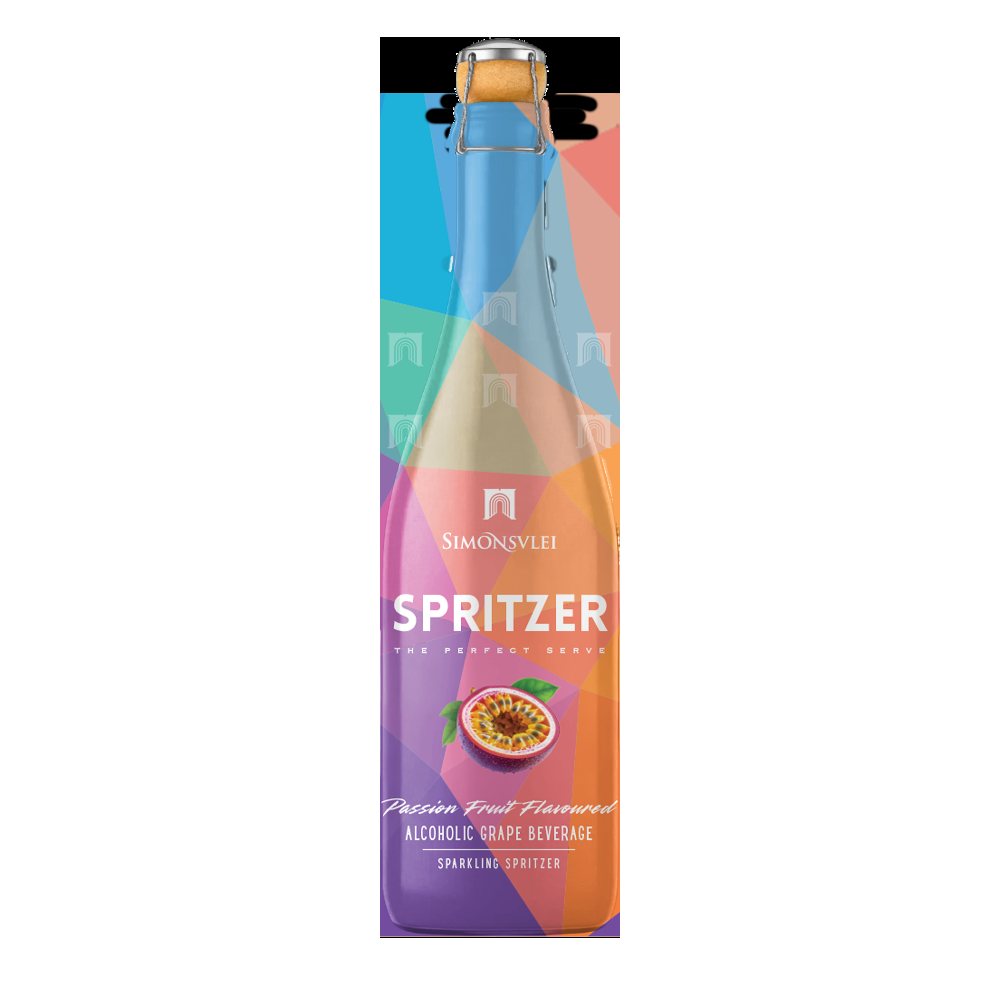
Simonsvlei Winery is one of Paarl’s most practical full-day cellar stops: a published tasting-room menu, food-and-wine pairings, platters, kids’ grape-juice options, plus independently managed on-estate dining at TUGA…
Kids Tasting Restaurant

Paarl
Stellenbosch
Stellenbosch
KidsBudgetWheelchair access Tasting
Stellenbosch
KidsWheelchair access Tasting Restaurant

Paarl
Kids Tasting Restaurant Stay
Paarl
Views Tasting Restaurant
Paarl
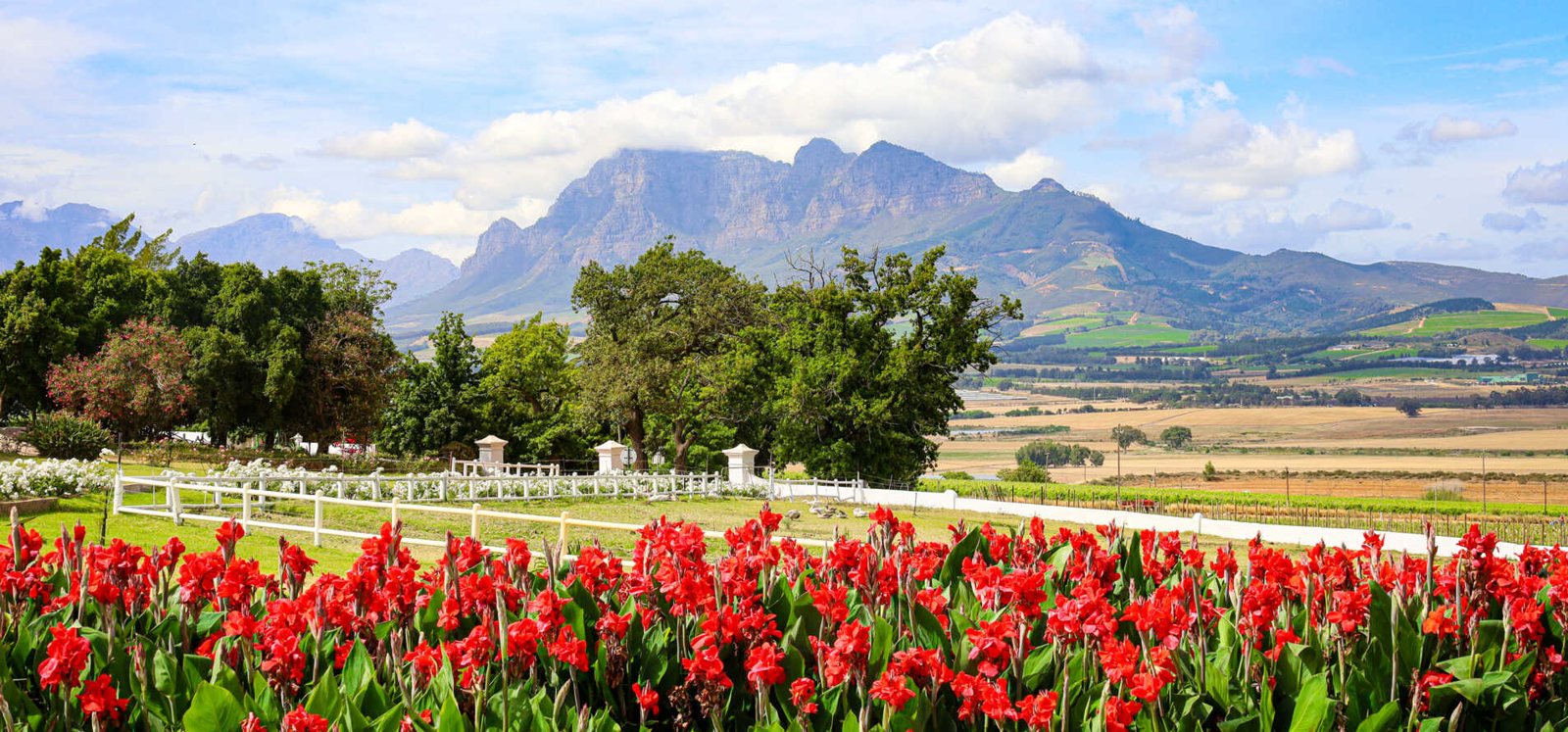
Landskroon Wines occupies south-western slopes of Paarl Mountain on Suid-Agter-Paarl Road, Southern Paarl 7624—a classic Suider-Paarl stop between Fairview-adjacent traffic and quieter mountain foothills.
Tasting Stay
Paarl
Vrymansfontein is Vondeling Wines’ premium wine-and-dining destination on the southern slopes of Paarl Mountain, about forty-five minutes from Cape Town on iconic Suid-Agter Paarl Road.
Kids Tasting Restaurant
Paarl
Paarl
Romantic Tasting Restaurant Stay
Paarl
Paarl
Laborie Wine Estate sits on Taillefer Street off Main Road, Paarl (7646), against the slopes of Paarl Mountain—close enough to town for an easy lunch stop, open enough for vineyard views from the Manor House lawns.