Stellenbosch · Western Cape
Koopmanskloof
Koopmanskloof is a wine farm in Stellenbosch, Western Cape. About 31 km from Cape Town.
Stellenbosch · Western Cape
Koopmanskloof is a wine farm in Stellenbosch, Western Cape. About 31 km from Cape Town.
Koopmanskloof sits in the Bottelary Hills of Stellenbosch with a wine tradition dating back to 1777. The name is Dutch for "Trader's Ravine" (koopman = trader, kloof = ravine)—a nod to a community remembered as fair and friendly traders when European settlers first reached the Cape. Today the farm is owned by the WS Smit Family Trust, with production and marketing under Koopmanskloof Wingerde (Pty) Ltd. It is one of Stellenbosch's best-known Fairtrade-certified producers and a landmark on any Bottelary Road itinerary focused on ethics, conservation and classic Cape cultivars.
This is distinctly Bottelary—granite slopes, Mediterranean climate, Atlantic influence—not Helderberg or Simonsberg. Expect a working farm story rather than a mega-tourism complex. The Dutch name Bottelary itself likely comes from bottelarij (pantry or store room): the hills once provisioned ships and settlers, and vines followed in the early 1700s as growers recognised fertile slopes under a mild climate.
The farm has been in Smit hands since 1895. The late Stevie ("Oom Stevie") Smit bought it from his father, expanded the property and farmed it until his death at 82. He was passionate about indigenous vegetation: in 1980 he requested proclamation of a Private Nature Reserve on 98 hectares of fynbos, set aside to protect endangered vegetation types on the farm. That reserve is still managed in partnership with CapeNature and remains central to the estate's environmental story.
Secondary sources describe a large agricultural footprint—vineyards plus the nature reserve—and note Stephan Smit as winemaker. Koopmanskloof is frequently described as among the most diverse and largest Fairtrade-certified wine producers of Stellenbosch origin, with export markets historically including the UK & Ireland, USA, Sweden, Belgium, the Netherlands, Germany and China. That export reach matters for travellers who first met the label abroad and want to see where Fairtrade Stellenbosch wine is grown.
Koopmanskloof became Fairtrade certified in 2007, framing certification as a vehicle to improve community lives through three audited pillars: social, economic and environmental development.
Social: An early-childhood crèche and aftercare serve children from five farms in the group (Koopmanskloof, De Waalshof, Alpha, Marbon and Hou den Mond). Nutrition, structured curriculum and homework support sit alongside healthcare (a dedicated medical officer in partnership with the Department of Health, including home-based care for elders). Recreation includes soccer via the Stellenbosch Local Football Association and formal music training (recorders, bass, keyboard, drums) through the Manuel Jardine Arts Foundation—often showcased for visitors when arranged.
Economic: Support for black economic development includes assisting a 100% black-owned farm with advice and infrastructure; workers have used Fairtrade premiums (e.g. joining a provident fund in 2012). Secondary listings also reference significant black employee shareholding and inclusive governance—confirm current structures with the farm.
Environmental: Beyond the 98ha reserve, the estate runs recycling with Waste Plan and continues conservation-minded farming on Bottelary land that still carries endangered fynbos species.
The published Koopmanskloof range spans expressive Bottelary whites and structured reds:
Guides also mention Carignan and Sémillon among plantings. Olives (Calamata, Mission, Leccino) appear in farm descriptions—ask about tasting or sales when you book. The range is built for everyday Cape drinking as much as for Fairtrade retail shelves overseas.
Koopmanskloof is not a casual walk-in cellar door. Guides consistently list visits by appointment, typically weekday business hours (example bands: Monday–Friday roughly 09:00–16:00/17:00; some listings show Friday closing earlier; weekends often closed or appointment-only). Always phone or email ahead.
Some older guides mention Berghuis farm accommodation with Hangklip views—confirm availability directly; do not assume public restaurant service. Come for the wines and the Fairtrade narrative; plan lunch at a neighbouring Bottelary cellar door or in Stellenbosch town.
Pair Koopmanskloof with other Bottelary Hills stops when you want granite-soil reds, Fairtrade storytelling and conservation context. It suits travellers who book ahead and care about how wine communities are structured—not only what is in the glass. Collectors and importers should ask about current Fairtrade-labelled SKUs and export availability; day-trippers should treat it as a scheduled appointment, then continue along Bottelary Road for lunch and additional tastings.
"Trader's Ravine" in Dutch—linking place, profession and a reputation for fair dealing.
Yes—certified since 2007, with social, economic and environmental programmes audited annually.
No—plan a visit by appointment via phone or email; do not rely on walk-in hours.
Official site has no published walk-in tasting menu. Third-party directories list trading by appointment only. Historic Bottelary Hills farm with 98ha private nature reserve (conservation focus).
Booking: info@koopmanskloof.co.za
Wine list from wine.co.za. The taste words are drawn from those notes, which are not reprinted here. Ask the cellar door what is pouring on the day.
Koopmanskloof is at Bottelary Hills, Stellenbosch, 7605, South Africa. Most visitors drive there from Cape Town in 45–60 minutes.
Book ahead. Prices change, so confirm when you book.
Geographical unit: Western Cape → Coastal Region → Stellenbosch
Stellenbosch is the flagship Wine of Origin district of the Cape: granite mountains, university town, and the densest cluster of visitor-ready wine farms in the country.
Elevation and soil figures are modelled at the pin, not a vineyard block survey. Use them to compare farms, not to quote a technical sheet.
Stellenbosch
Stellenbosch
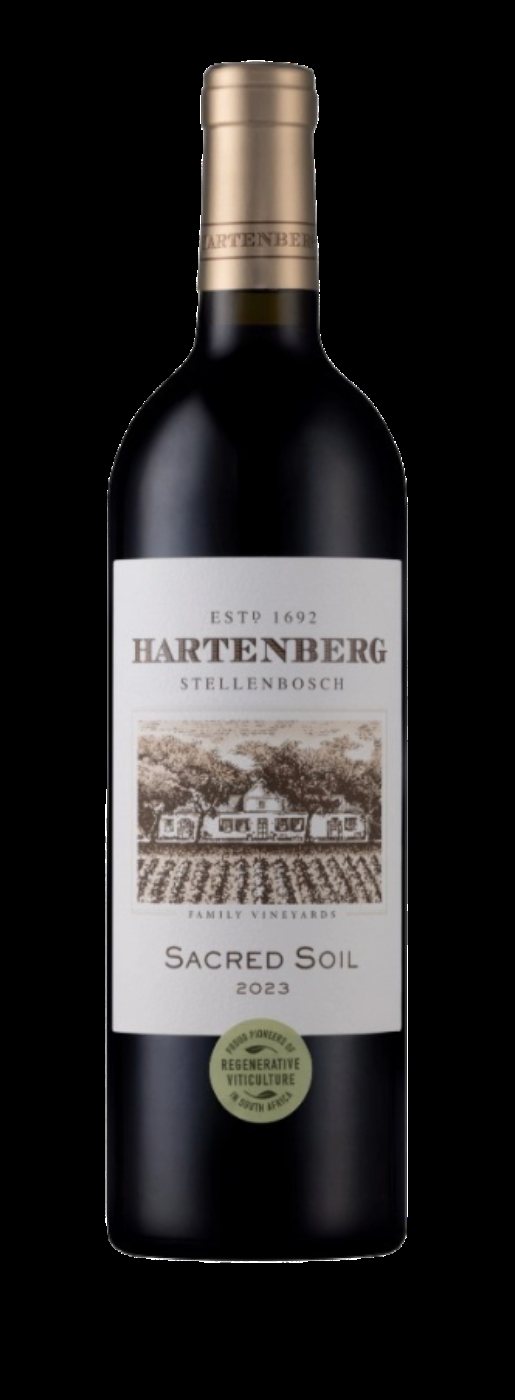
Hartenberg Estate is a wine farm in Stellenbosch, Western Cape. About 34 km from Cape Town.
KidsWheelchair access Tasting

Stellenbosch
Stellenbosch Vineyards is one of South Africa’s major packaged-wine producers and exporters, headquartered on historic Welmoed Farm on the R310 Baden Powell Drive at Lynedoch, Stellenbosch.
KidsWheelchair access Tasting

Stellenbosch
KidsWheelchair access Tasting
Stellenbosch
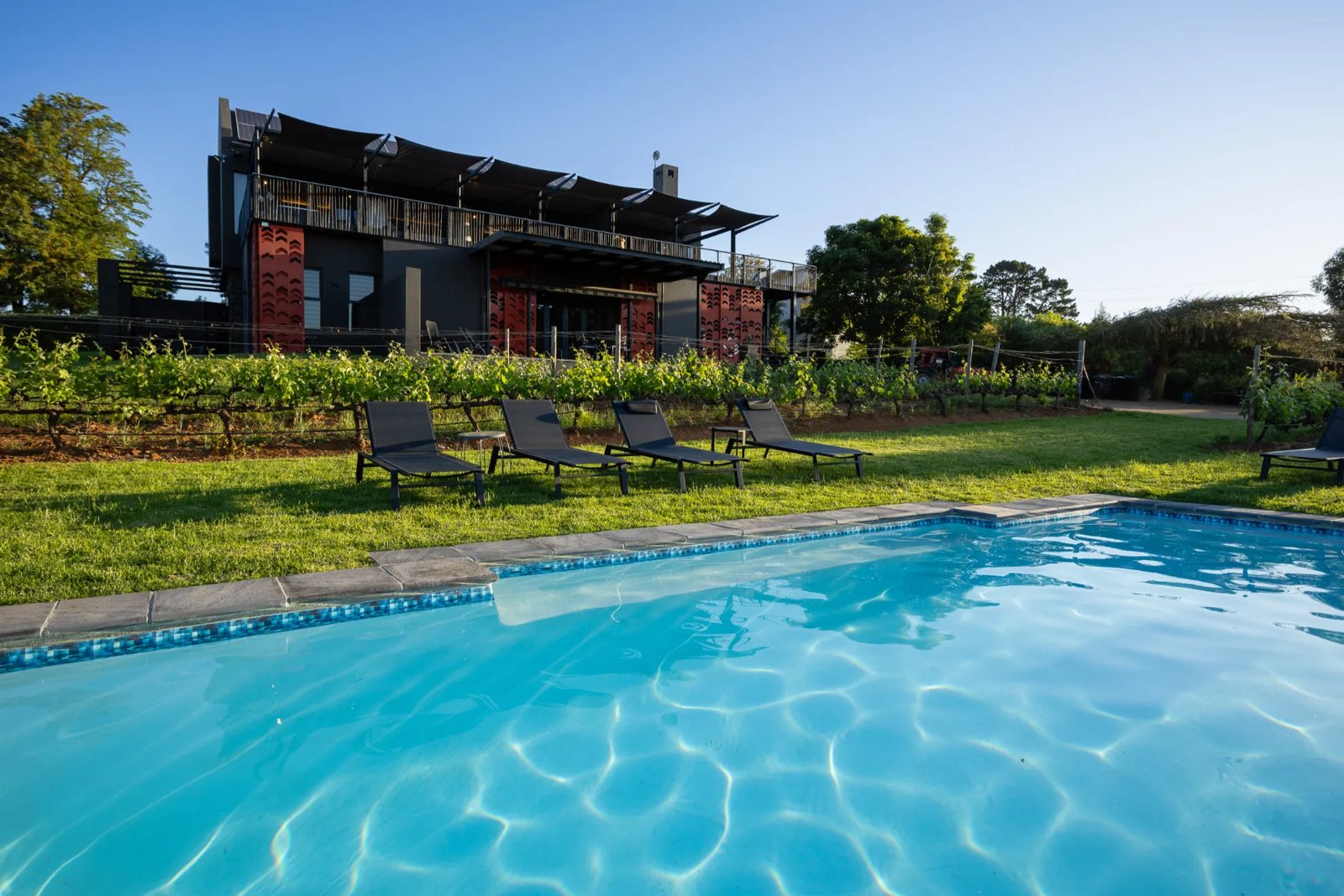
Kunjani Wines (also styled Kunjani Villas & Wines) is a boutique Stellenbosch wine estate in the Bottelary Hills near Devonvale, founded by Paul Barth and Pia Watermeyer.
Romantic Tasting Stay
Stellenbosch
Romantic Tasting

Stellenbosch
Stellenbosch
KidsViewsWheelchair access Tasting Restaurant Stay
Stellenbosch
KidsRomanticWheelchair access Tasting Restaurant Stay
Stellenbosch
Stellenbosch
Stellenbosch
Stellenbosch
Stellenbosch