Plan the wedding
Planning a Destination Wedding in the Cape Winelands
Plan a Cape Winelands destination wedding from abroad: legal steps, best months, costs in rand, guest travel and verified venue shortlists.
Last checked: 5 October 2026
Mountains, old oak avenues, Cape Dutch gables and very good wine, all within reach of an international airport: it's easy to see why couples from the UK, Germany, the Netherlands and further afield choose the winelands. This guide walks you through planning a destination wedding Cape Winelands style, from the legal choice you need to make first, to weather, budgets in rand, picking a venue your guests can stay at, and a sample wedding week.
How we checked this
Legal points summarise our detailed guides, which use Department of Home Affairs (DHA) material, the Marriage Act and embassy guidance. Weather figures come from South African Weather Service climate normals, as set out in our best-month guide. Venue details come from our Western Cape wine farm wedding audit, checked against official estate pages on 5 October 2026; we only name estates the audit shows host weddings, with a source link, and copy prices as published with the year. Our venue audit doesn't yet cover Elgin or the outer regions. This isn't legal or immigration advice: confirm requirements with DHA, your embassy and your marriage officer.
Why the Cape Winelands?
The seasons are the other way round. The Cape's dry summer runs from roughly November to March, when Europe is in winter. That means long evenings for a vineyard ceremony while guests escape the cold, and the Cape's quieter winter coincides with the European summer holidays.
One trip, many experiences. Stellenbosch, Franschhoek, Paarl and Constantia have dozens of estates that host weddings, many with rooms on site. Guests can add Cape Town, the coast, the Whale Coast around Hermanus or a safari.
Wine is the point, not an extra. Many estates serve only their own wines, so your wedding comes with a cellar, a winemaker and sometimes a tasting for guests.
Value can be good, but don't assume it. Some estates publish rates that look modest in pounds or euros; others, especially whole-estate weekends, are priced for an international luxury market. Compare full quotes.
Which part of the winelands?
- Stellenbosch and the Helderberg have the widest choice, from hotel estates to small barns, and some estates are a short drive from the airport.
- Franschhoek is compact and walkable, with boutique hotels, restaurants and mountain views on every side.
- Paarl offers historic manors, venues for several hundred guests and several published midweek and low-season rates.
- Constantia keeps you inside Cape Town, close to beaches and the city.
- Walker Bay combines vineyards with the Whale Coast, at a longer drive.
Our region-by-region shortlist links to a full guide for each area.
Legal ceremony in South Africa or symbolic ceremony?
Decide this first, because it shapes your timeline.
Option 1: marry legally in South Africa
South African law lets foreign nationals marry here. Our legal guide covers the detail; the essentials are:
- A designated marriage officer must perform the ceremony, with you both present and at least two competent witnesses.
- The South African Embassy in Washington says there's no residency requirement and no blood test for foreign nationals.
- You'll need valid passports and proof of lawful stay, and DHA's procedures ask for documents such as a letter of no impediment in some cases. Requirements differ by nationality and by whether you're marrying a South African.
- If both of you are foreign nationals, DHA's circular says no immigration interview is needed, but your marital status must still be verified.
- You get a handwritten certificate on the day. For use abroad you'll usually need an unabridged certificate, and your home country may want it apostilled. Ask your home authorities what they require.
Some countries don't issue a no-impediment certificate for South Africa. The UK is the best-known example: British couples follow a workaround involving the British High Commission and a South African affidavit, explained in our UK guide below.
Option 2: marry at home, celebrate in the winelands
Many destination couples sign the legal papers at home and hold a symbolic ceremony on the farm. There's no South African paperwork, you can choose any celebrant, and you avoid certificate and apostille delays. Tell the venue, because a few packages assume a legal ceremony.
Read the legal requirements to get married in South Africa before you decide.
Country guides
- Getting married in South Africa from the UK: the no-impediment workaround, travel rules and costs.
- Getting married in South Africa as German citizens: documents and recognition at home.
- Getting married in South Africa as Dutch citizens: registration in the Netherlands.
Best months and weather
The Cape has a winter-rainfall climate. Based on the SAWS Cape Town climate normals in our best month to get married in Cape Town guide:
- November to March is the driest period, with November the lowest average rainfall (14 mm). February's average high is 26.5°C, so plan shade for guests.
- March and April bring harvest, calmer golden days and slightly cooler temperatures. Ask your venue whether harvest work affects your date.
- June is the wettest month on average (93 mm), with cool evenings and sunset around 17:45. Winter has lower published rates at many estates.
- September and October are spring: still some rain in September, drying out by October, with blossom and longer evenings.
Wind is a factor in every season: the south-easter in summer and cold fronts in winter. Every venue should show you its indoor plan; see our wedding rain plan guide.
Book early for summer. Cape Town Data (June 2026) reports that popular venues need 12 to 18 months' notice for a peak-season Saturday. Destination couples usually need more lead time, not less.
Budgeting in rand
Venues quote in South African rand (ZAR), and exchange rates move, so set your budget in rand and track your home currency against it.
- Get rand quotes in writing, with the year. Estates reset prices annually, so a 2026 rate won't apply to a 2028 wedding.
- Keep a currency buffer. We'd suggest holding back at least 10% of the rand budget for exchange-rate moves, transfer fees and VAT surprises.
- Check VAT and service charges. South African VAT is 15%; some estates quote ex VAT and add 10% to 15% service.
- Know what's in the package. Published examples run from Zandberg's R80 000 low-season package for 34 guests with rooms for all (2025–2028 brochure) to Jordan's R1 600 000 high-season weekend with exclusive use and accommodation for 40 (2026–7).
See how much a wine farm wedding costs for pricing models and dated examples, and our cost of a wedding in South Africa guide for published national figures.
Choosing a venue from abroad
Three things matter more for destination couples than for locals.
1. Accommodation on the estate
If guests stay where you marry, there's no late-night driving on unfamiliar roads. Estates that build rooms into the booking include:
- Jordan, Stellenbosch: exclusive use from Friday to Sunday with accommodation for up to 40 sharing, catering and wines.
- Vergenoegd Löw, Stellenbosch: a boutique hotel sleeping up to 44, a chapel and a barn for 80.
- Boschendal, Franschhoek: The Retreat's 18 two-bedroom cottages (72 guests) from R350 000 in low season (2026/27 packages).
- Babylonstoren, Paarl: two nights in the Farmhouse and Koornhuis cottage included in every package.
- Lanzerac, Stellenbosch: a 54-room hotel, with room blocks tied to each venue.
- Benguela Cove, Walker Bay: 13 villas and a dedicated destination package tier.
Our full list of wine farm wedding venues with accommodation has room counts and dated prices.
2. Exclusive use
A whole-estate booking gives you privacy and a long weekend, not just an evening. Maison (three-night minimum), Mont Rochelle (two-night minimum), Plaisir de Merle (two nights for up to 28) and Wildekrans (all nine cottages) work this way. See exclusive-use wedding venues.
3. Distance from the airport
Cape Town International is the gateway. Spier says it's about 20 minutes from the airport, and Paarl is roughly an hour from central Cape Town in normal traffic. Constantia estates such as Steenberg (a five-star hotel on the farm) and Silvermist (a boutique hotel) are in Cape Town's southern suburbs, handy if guests want city time too. Walker Bay estates, around Hermanus and Stanford, are further but pair the wedding with the coast. Compare options in wine farm wedding venues near Cape Town, or combine the two in beach and winelands weddings.
For a broader shortlist by region and size, start with our best wine farm wedding venues in the Western Cape.
Guest travel, visas and transport
- Visas: entry rules depend on nationality. GOV.UK says full British citizen passport holders can visit visa-free for up to 90 days for tourism or business; others should check South Africa's current rules and their own government's travel advice well ahead.
- Passports: check validity and blank-page requirements for every guest.
- Flights: send dates early, especially for December and January, the local summer holidays.
- Transport: most guests won't know the roads, and rural estates are dark at night. Book shuttles from hotels to the venue and back. Our wedding guest transport guide covers timing and options.
- Information pack: share a simple guide with airport transfers, dress code for the season and a wet-weather plan.
A planning timeline from abroad
18 to 12 months out
- Decide on a legal or symbolic ceremony, and read your country guide.
- Set a rand budget with a currency buffer and a rough guest list.
- Shortlist three to five venues and ask each for its current rate card, the year it applies to and the next season's dates.
- Book a video walk-through of each venue, including the wet-weather space.
12 to 9 months out
- Sign with the venue and pay the deposit. Check the cancellation terms and what happens if the rate card changes before your date.
- Book a marriage officer (for a legal ceremony) or celebrant, and confirm the ceremony time in writing.
- Send save-the-dates with the town, dates and nearest airport.
9 to 4 months out
- Book a coordinator or planner if the venue doesn't provide one, plus photographer, florist and music.
- Reserve guest rooms on the estate or nearby, and arrange shuttles.
- Gather legal documents. Some take weeks to issue or apostille at home.
3 months to the final week
- Confirm final numbers, menus, wines and the run sheet.
- Share an information pack with guests: transfers, weather, dress code and the plan B.
- Pack certified copies of every document, and carry originals in your hand luggage.
Working with suppliers from another time zone
- Get everything in writing. Inclusions, overtime rates, curfews and wine rules should be in the contract, not just in an email chain.
- Ask how payments work. Most local suppliers invoice in rand and expect an EFT or card payment. Factor in international transfer fees.
- Use the venue's network. Estates with in-house catering and an events team (for example Lanzerac, Vergenoegd Löw or Jordan) reduce the number of suppliers you manage from abroad.
- Plan one visit if you can. A planning trip lets you taste the menu, walk the ceremony site at the right time of day and meet your marriage officer.
Our list of questions to ask a wedding venue is a good script for your first video call.
A sample wedding week
- Tuesday or Wednesday: arrive, collect hire cars or meet transfers, rest.
- Thursday: final venue meeting, menu or wine tasting, and any legal admin with your marriage officer. Guests explore Cape Town.
- Friday: welcome drinks or a braai on the estate; décor set-up starts.
- Saturday: the wedding. In summer, a ceremony around 16:30 to 17:00 leaves light for photos (agree the time with your marriage officer, who doesn't have to marry you outside 8am to 4pm).
- Sunday: farewell brunch on the estate.
- Monday onwards: honeymoon on the coast, the Garden Route or a safari.
If you're marrying legally, leave enough time before you fly home for any certificate applications your home country needs.
Frequently asked questions
Can foreigners get legally married in the Cape Winelands?
Yes. A designated marriage officer can marry foreign nationals, with two witnesses. There's no residency requirement, but documents vary by nationality. Start with our legal requirements guide.
Is a legal or symbolic ceremony easier for a destination wedding?
A symbolic ceremony is simpler because there's no South African paperwork. Many couples marry at home first. If you marry legally here, plan for certificates and possibly an apostille.
When is the best time for a Cape Winelands destination wedding?
November to March is the driest and busiest; March and April bring harvest; May to August is wetter but often cheaper. Book 12 to 18 months ahead for a peak-season Saturday.
How far are the winelands from Cape Town airport?
Spier says it's about 20 minutes from Cape Town International. Paarl is roughly an hour from central Cape Town, and Franschhoek is further inland. Confirm transfer times with your venue.
Do our guests need visas for South Africa?
It depends on their nationality. GOV.UK says full British citizen passport holders can visit visa-free for up to 90 days for tourism or business. Everyone else should check South Africa's current entry rules and their own government's travel advice early, and make sure passports are valid for long enough.
Should we use a local planner?
For a destination wedding, a local planner or coordinator saves a lot of stress. Some estates require one (Maison, Plaisir de Merle and Boschendal). See our wine farm wedding FAQ for more.
Next steps
Shortlist venues in our best wine farm wedding venues guide, check your country guide (UK, Germany, Netherlands), then compare prices and the best month.
Official venue sources checked
Jordan · Vergenoegd Löw · Boschendal · Babylonstoren · Lanzerac · Benguela Cove · Maison · Mont Rochelle · Plaisir de Merle · Wildekrans · Spier · Steenberg · Silvermist · Zandberg
Rates, guest numbers, and what is bookable change. Check the farm’s website before you commit.
Farms in this guide
Open a farm page before you commit.

Franschhoek · About 47 min from Cape Town
Boschendal
Multi-venue historic farm with published May 2026–Apr 2027 packages, elopements programme, and accommodation for up to 216 guests
Rooms on siteExclusive useSmall weddingOutdoor

Franschhoek · About 51 min from Cape Town
Maison Estate
Exclusive-use wine estate wedding with Chefs Warehouse reception, on-site suites and published 2025/26 seasonal packages from R371,000 (low) / R495,000 (high).
Rooms on siteIn-house cateringExclusive useOutdoor
Franschhoek · About 59 min from Cape Town
Mont Rochelle
Virgin Limited Edition vineyard hotel weddings from intimate elopements (Perfectly Intimate ≤10) to exclusive-use celebrations up to 80 guests, with 2025 brochure pricing.
Rooms on siteIn-house cateringExclusive useSmall wedding
Franschhoek · About 45 min from Cape Town
Plaisir de Merle
Exclusive The Tributary weddings for up to 28 on-estate guests with published venue hire R85,000, 2-night Manor Homes stay and winter wedding season.
Rooms on siteExclusive useSmall weddingOutdoor
Stellenbosch · About 45 min from Cape Town
Jordan Wine Estate
Exclusive weekend wedding takeover of the entire Jordan estate with tented lawn receptions to 150, chef catering, wines and luxury suites/Villa for 40 guests.
Rooms on siteIn-house cateringExclusive useSmall wedding
Stellenbosch · About 47 min from Cape Town
Lanzerac Wine Estate
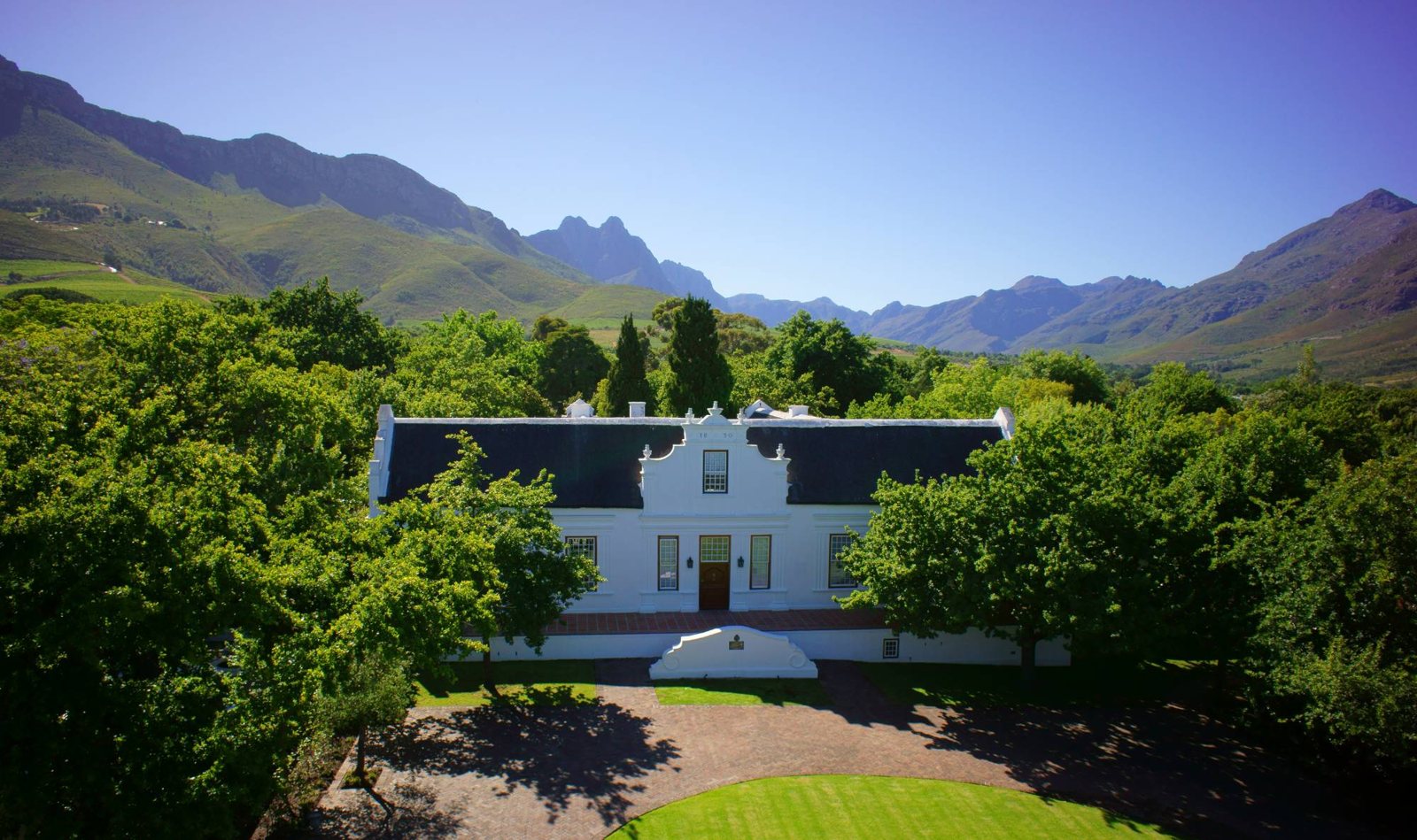
Historic Jonkershoek Cape Dutch hotel estate with Cellar Hall and lawn ceremonies/receptions from intimate 15-30 to 250 guests, published Aug 2025-Jul 2026 packages.
Rooms on siteIn-house cateringSmall weddingOutdoor
Stellenbosch · About 36 min from Cape Town
Spier Wine Farm
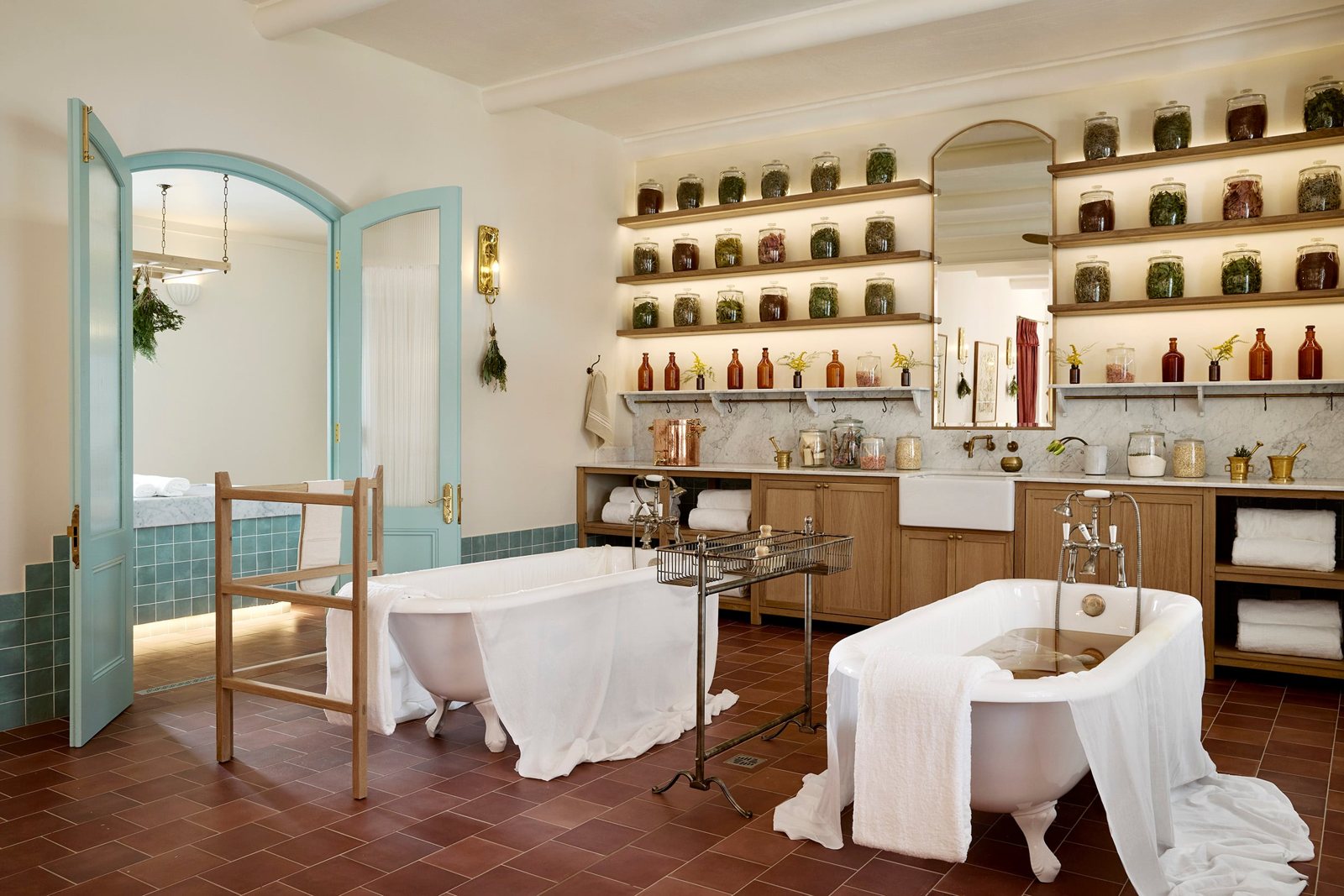
Wedding beneath ancient oaks on restored Werf or in gardens/historic buildings, with Spier Hotel stay for guests
Rooms on siteIn-house cateringSmall weddingOutdoor
Stellenbosch · About 35 min from Cape Town
Zandberg Wine Estate
Intimate chapel-among-the-vines packages for 34 guests with full Guest House exclusive use and overnight stay — from R80 000 low season (2025–2028 brochure)
Rooms on siteIn-house cateringChapelExclusive use